Car infotainment - retrofit wiring
Short answer: it depends on the car rather than the radio you bought, and it's got nothing to do with how your music sounds. A CANBUS decoder sits inline between the car's wiring and your new deck, turning messages on the car's data bus into the plain signals a radio was built to read. Before you order one, find out which way your steering wheel buttons talk.
The name is clumsy, but the part is simple. A CANBUS decoder box sits inline between the car's wiring and the aftermarket radio: the car-side plug goes into it, and its own connector goes into the back of your deck. One side listens to the bus; the other hands over plain signals - accessory power, panel illumination, a reverse trigger, and the key wires behind the wheel buttons.
Get the pairing right and you stop noticing it exists. The deck wakes with the ignition, dims when you switch the lights on, cuts to the camera when you pull the lever into reverse. The same box can also carry climate status, door warnings and radar beeps up to the new screen.
What catches people out is what the box isn't. It doesn't add anything to the deck. Each signal it hands over lands on an input your radio already had, so if the deck has no bus input and no steering wheel learning screen, a decoder won't conjure one up. Does your radio even have that input? If not, the question is moot.
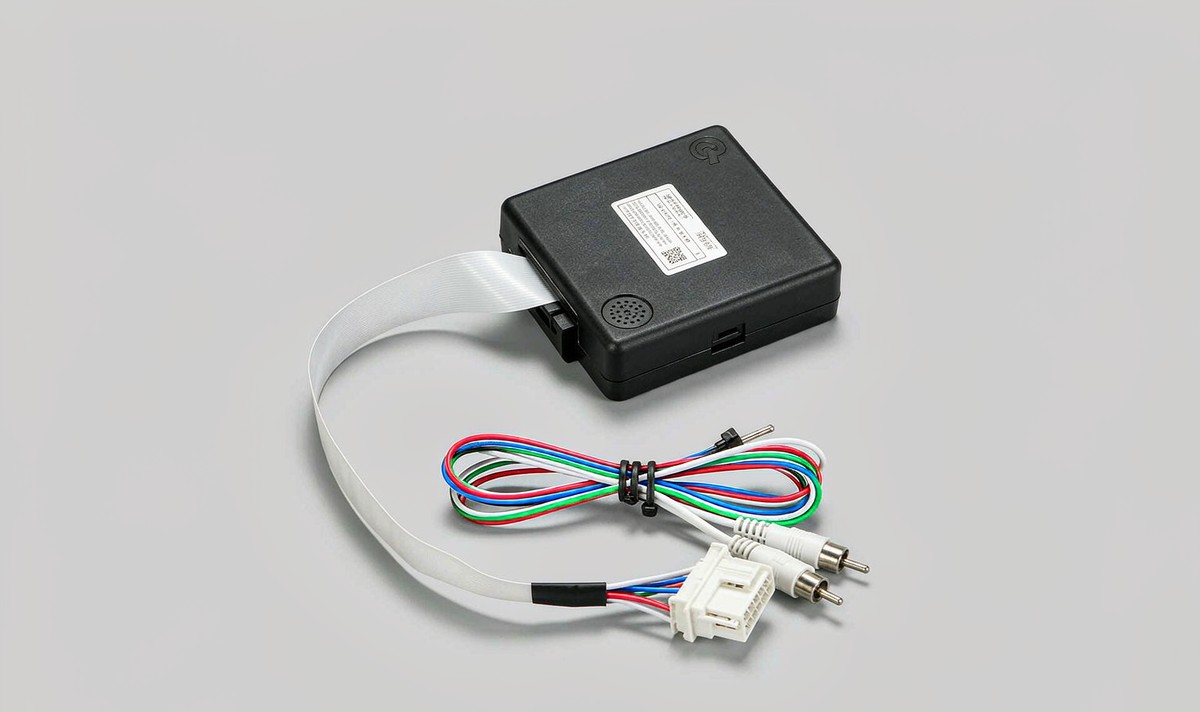
CAN is a shared two-wire network that the car's modules talk over. There's no address on it. A frame holds an identifier instead, and every module on the wire sees every frame and decides whether the contents matter.
Here's the bit that settles whether you need a decoder. ISO 11898-1 defines the classic CAN frame, and it stops at the frame: how it's built, how two modules take turns, how a node flags an error. It does not cover what a given identifier means. That mapping belongs to whoever designed the network, and it shifts from one car maker to the next.
High-speed CAN runs on a twisted pair, usually labelled CAN_H and CAN_L, with a resistor at each end, and ISO 11898-2 sets out that physical layer. Its scope is voltages and wiring, and it does not cover message content either. So the two documents teach two modules how to exchange frames, and they don't tell a third-party radio which frames matter.
That gap is why a decoder exists. Somebody had to build a dictionary for your car and hide it in a plastic case. Inside is a profile for one network: the identifiers your car uses, and what to do when they turn up. Load the wrong one and the buttons map to the wrong function - which is the fix I'd try before I'd price a new box. Assuming the box failed is the common trap.
This fork answers your question, so it's worth ten minutes with a torch before you order anything. Which one is your car?
The older way is resistance. Each button closes a different resistance onto a couple of wires - you'll see them marked Key 1 and Key 2 on wiring diagrams - and the radio works out which button was pressed by measuring it. A deck with a steering wheel learning screen reads that directly: you press each button and assign a function. Boxes built for these cars are sold as steering wheel adapters.
The newer way is a message on the bus. There's nothing on a plain wire to learn, because the command was never on a plain wire - the wheel module puts a frame on the network, and the factory radio happened to be the device listening. That's where a decoder earns its money: it hears those frames and hands the deck a key code it understands.
The same fork runs through the rest of the wiring. A radio needs to know when the ignition is on, when the lights are on, and when you're in reverse. Plenty of cars still run those three as separate wires to the plug; others carry them only as messages, which is why interface boxes list outputs for accessory power, illumination and reverse.
When wheel buttons go dead after an install, the box is the usual suspect in the owner's mind and rarely the culprit. More often the deck is still pointed at the wrong vehicle profile - the mistake I see most often, and it's a menu entry rather than a part. Paying for a second box you never needed is the annoying part.
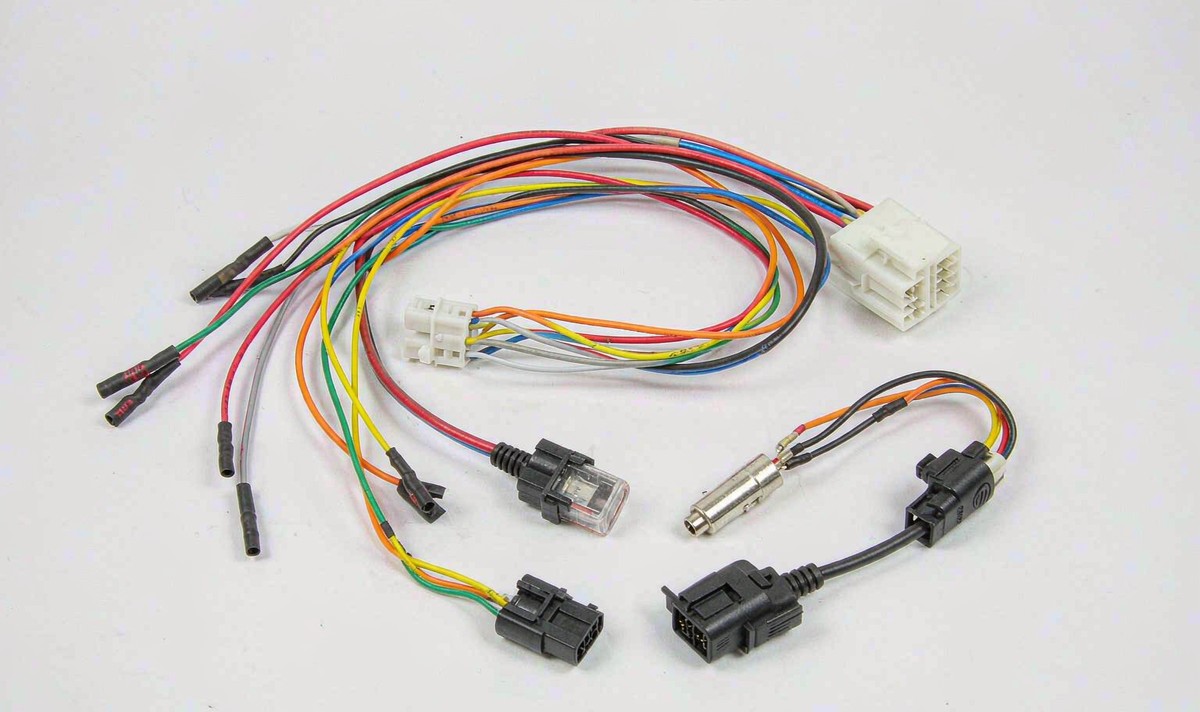
It's a three-way split rather than a yes or no. A decoder isn't a fixed part of a retrofit; it's the part you buy when the signal you want sits behind the bus.
Four checks drop your car into a group, and you can run them with the radio out and nothing but a torch.
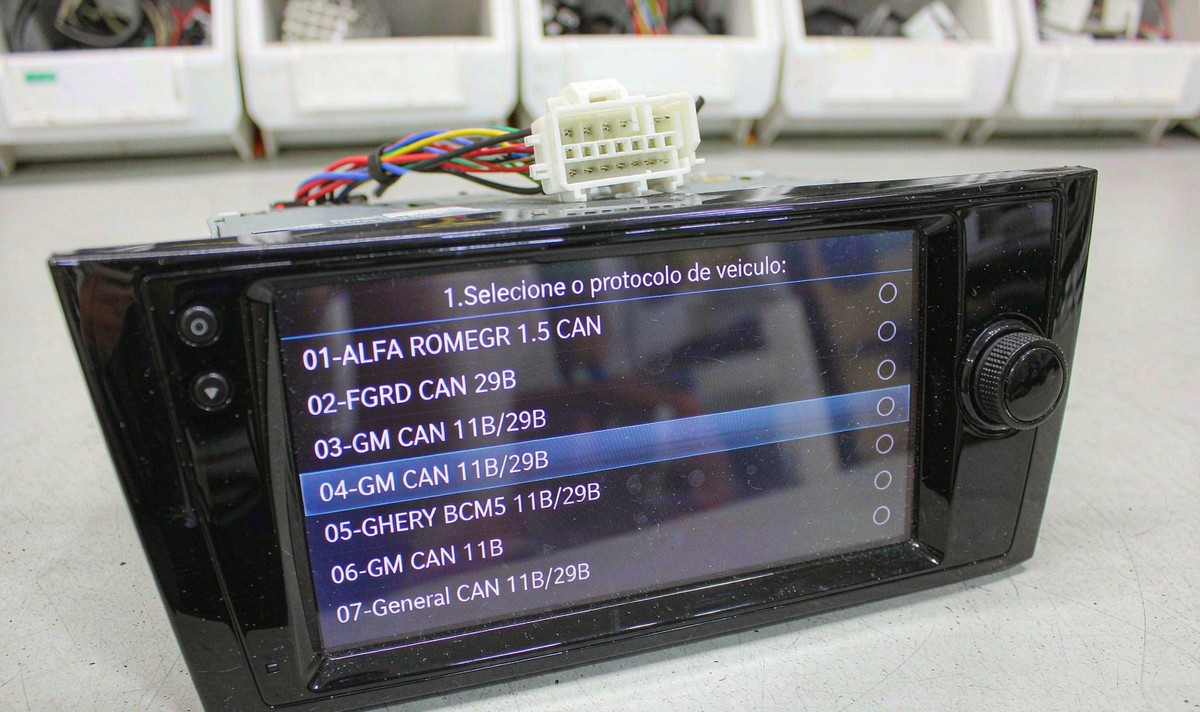
Do those four and you'll know which group you're in. The tedious part is that the decoder is matched to your car, not to your radio: the same deck in two cars can want two different boxes.
Three limits come up again and again in the questions I hear, and they explain what actually breaks these installs - the first one sits behind a lot of frustrating advice.
And the profile has to match. Fix the profile before you swap the box, because a wrong one is awkward to run down from the driver's seat: half your buttons work, one does the wrong thing. If a correct profile from the vehicle list still behaves badly, that's when a fresh box is worth trying.
Matching a decoder to a car is the unglamorous part of this work, and it never makes it onto a spec sheet: which protocol the car runs, what order the pins sit in, whether the factory amplifier wakes on a wire or on a message. That's the ground WITSON works on - pairing the box and the harness to the vehicle instead of shipping one universal loom. The accessory side of the catalogue is here: car audio accessories and vehicle adapters.
One more pointer, in case your symptom's different. If the screen reboots the moment you select reverse, that's a separate fault written up in why a car system reboots when reversing.
Not sure which group your car falls into, or whether the box in the kit matches it? Send us the details and we'll tell you which route your wiring takes.
Send us a photo of your radio plugHave the head unit model, the build number, which steering wheel route your car uses, and a photo of the plug behind the radio.
Zhuhai WITSON Industrial Co., Ltd. - Tel: +86-756-8120312, 8120211, 8120212.
Probably not. Power, speakers and the antenna don't run through the decoder, so a deck that's only playing music can often go in on plain wiring. What you give up is the factory side - wheel buttons, the reverse trigger, the lights signal.
Check the profile before you check the box. If the deck was reset, or the car model in the factory menu was changed, the keys land on functions that don't exist and the buttons look dead.
Because a profile is written for one network, and car makers move the goalposts. A facelift can add modules or move the reverse state onto a different identifier. The year in the listing tells you which version of the dictionary is loaded.
Rarely, and never with confidence. It holds one car's dictionary, and a different network almost certainly speaks a different language.
No. It handles data. If a system sounds thin after an install, the fault's in the audio path - amplifier wake-up, output levels, a ground loop - rather than in the protocol box.